Biography
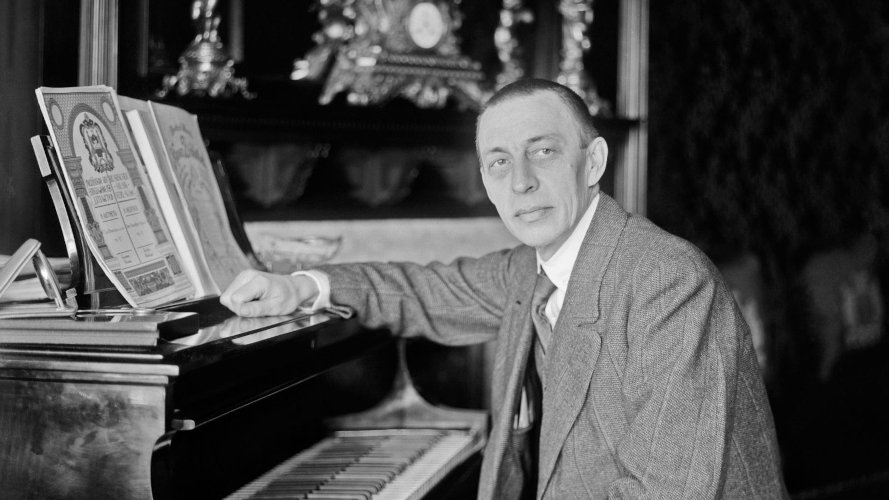
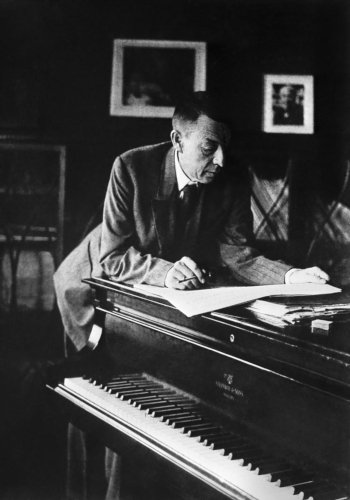
Sergei Vasilyevich Rachmaninoff was born on April 1, 1873, in the Russian Empire. A prodigiously talented pianist from an early age, he studied at the Moscow Conservatory, where he developed a distinctive musical voice rooted in Russian Romanticism.
Despite early success, Rachmaninoff suffered a devastating psychological collapse following the disastrous premiere of his Symphony No. 1 in 1897. For several years, he was unable to compose. Through hypnotherapy and self-discipline, he recovered, emerging with renewed creative power and producing some of his greatest works.
After the Russian Revolution of 1917, Rachmaninoff emigrated to the United States. There, he focused largely on performing and conducting to support his family, composing less frequently but with extraordinary refinement. He died in Beverly Hills, California, in 1943, shortly before becoming an American citizen.
Critical Works
- Piano Concerto No. 2 in C minor, Op. 18 – A deeply emotional masterpiece and one of the most beloved concertos in the repertoire.
- Piano Concerto No. 3 in D minor, Op. 30 – Renowned for its technical difficulty and symphonic scale.
- Symphony No. 2 in E minor, Op. 27 – Lush, expansive, and rich in melody, restoring his confidence after early failure.
- Rhapsody on a Theme of Paganini, Op. 43 – A set of variations featuring the famous 18th variation.
- Prelude in C-sharp minor, Op. 3 No. 2 – One of the most iconic piano works ever written.
- All-Night Vigil (Vespers), Op. 37 – A choral masterpiece rooted in Russian Orthodox tradition.
- Symphonic Dances, Op. 45 – His final major work, blending nostalgia with modern intensity.
Legacy
Rachmaninoff is remembered as one of the last great Romantic composers, standing at the crossroads between 19th-century lyricism and 20th-century modernism. His music is marked by sweeping melodies, rich harmonies, rhythmic drive, and profound emotional depth.
As a pianist, he was legendary for his power, clarity, and seemingly limitless reach, setting performance standards that continue to influence pianists today. His recordings remain benchmarks for interpretation and technique.
Though once criticized as conservative, Rachmaninoff’s reputation has only grown. His works are now staples of concert halls worldwide, admired for their sincerity, craftsmanship, and emotional honesty. He endures as a symbol of artistic resilience, exile, and the enduring power of melody.